
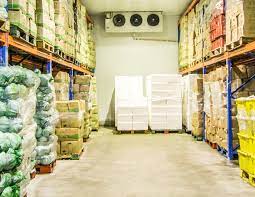
Eco-Friendly Warehouses: Sustainability in Storage
In an era marked by increasing environmental concerns and a growing commitment to sustainability, businesses across industries are recognizing the need to adopt eco-friendly practices throughout their operations. Warehousing, a crucial component of the supply chain, is no exception. This article explores the concept of eco-friendly warehouses, the importance of sustainability in storage, and the various strategies to find out that can be employed to make warehousing operations more environmentally responsible.
The Significance of Eco-Friendly Warehouses
- Carbon Footprint Reduction: Traditional warehousing practices often involve high energy consumption, excessive waste generation, and long-distance transportation of goods. Eco-friendly warehouses aim to reduce the carbon footprint associated with these activities by optimizing energy usage, minimizing waste, and adopting green transportation solutions.
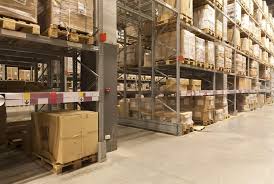
- Resource Conservation: Sustainable warehousing focuses on conserving natural resources by reducing water consumption, using eco-friendly building materials, and implementing energy-efficient technologies. This not only benefits the environment but also helps businesses save on operational costs.
- Corporate Responsibility: As consumers become more environmentally conscious, businesses are under increasing pressure to demonstrate their commitment to sustainability. Eco-friendly warehouses align with corporate social responsibility (CSR) goals and can enhance a company’s reputation.
Strategies for Achieving Eco-Friendly Warehouses
- Energy Efficiency: Implement energy-efficient lighting, HVAC systems, and insulation to reduce energy consumption. Utilize motion sensors and automation to optimize energy use within the warehouse.
- Renewable Energy Sources: Install solar panels or utilize wind power to generate renewable energy for warehouse operations. These sources can significantly reduce reliance on fossil fuels.
- Green Building Design: Construct warehouses using sustainable building materials and practices, such as recycled steel, low-VOC paints, and energy-efficient insulation. Incorporate natural lighting and ventilation to reduce reliance on artificial sources.
- Waste Reduction: Adopt recycling and waste reduction programs within the warehouse. Implement a comprehensive waste management system that minimizes landfill contributions and encourages recycling and repurposing of materials.
- Sustainable Packaging: Encourage suppliers to use eco-friendly packaging materials that are recyclable or biodegradable. Implement a system for reusing and recycling packaging materials within the warehouse.
- Green Transportation: Minimize transportation-related emissions by using electric or hybrid vehicles for intra-warehouse transportation and promoting the use of low-emission vehicles for goods transportation.
- Sustainable Inventory Management: Optimize inventory management to reduce excess stock and minimize the need for additional storage space, which can lead to resource and energy savings.
Benefits of Eco-Friendly Warehouses
- Cost Savings: Reduced energy consumption and waste management costs can result in significant operational savings for businesses.
- Competitive Advantage: Eco-friendly warehousing practices can give businesses a competitive edge by appealing to environmentally conscious consumers and partners.
- Regulatory Compliance: Many regions and countries have environmental regulations that businesses must adhere to. Eco-friendly warehouses can help ensure compliance with these regulations.
- Enhanced Reputation: Demonstrating a commitment to sustainability can improve a company’s reputation and brand image, leading to increased customer loyalty and trust.
Eco-friendly warehouses are an essential component of sustainable supply chain management. By adopting eco-friendly practices, businesses can reduce their environmental impact, lower operational costs, and align with growing consumer demands for eco-conscious products and services. The transition to eco-friendly warehousing not only benefits the planet but also contributes to long-term business success and competitiveness in an increasingly sustainability-focused world.