
Computer Crashes: Causes and Solutions
Computer crashes can be incredibly frustrating, causing loss of work, data, and valuable time. Understanding the common causes of computer crashes and having the knowledge to address them can help you prevent and recover from these disruptions by Fides Tech Solutions. In this article, we will explore the various reasons behind computer crashes and offer solutions to resolve or mitigate them.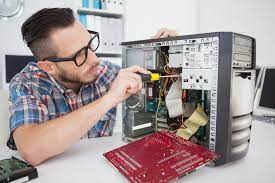
- Overheating
Cause: Overheating occurs when a computer’s internal components, such as the CPU or GPU, become too hot. This can happen due to dust buildup, inadequate cooling, or overclocking.
Solution:
- Ensure proper ventilation and keep computer vents and fans clean.
- Use cooling pads for laptops and consider adding additional fans to desktops.
- Avoid overclocking or, if necessary, do so with caution and monitor temperatures closely.
- Software and Operating System Issues
Cause: Incompatible or corrupt software, device drivers, or operating system files can lead to crashes.
Solution:
- Keep your operating system and software updated to the latest versions.
- Regularly update drivers, especially graphics and chipset drivers.
- Run disk checks and use built-in Windows utilities like System File Checker (sfc) to repair corrupted system files.
III. Malware and Viruses
Cause: Malware, such as viruses, trojans, or ransomware, can compromise system stability and lead to crashes.
Solution:
- Install reputable antivirus and anti-malware software, keep it updated, and run regular scans.
- Be cautious when downloading files or clicking on links, especially in suspicious emails or websites.
- Hardware Failures
Cause: Hardware failures, such as a malfunctioning hard drive, RAM module, or graphics card, can result in system crashes.
Solution:
- Run hardware diagnostic tests to identify faulty components.
- Replace or repair malfunctioning hardware as needed.
- Ensure that components are properly seated and connected.
Fides Tech Solutions
9880 Washington Blvd N., Laurel, Maryland, 20723
(410) 705-5125
- Power Issues
Cause: Power fluctuations, surges, or outages can disrupt the computer’s stability.
Solution:
- Use a surge protector or uninterruptible power supply (UPS) to protect your computer from power issues.
- Regularly save your work to prevent data loss during unexpected shutdowns.
- Memory and Resource Management
Cause: Running too many resource-intensive applications or having insufficient RAM can cause system crashes.
Solution:
- Close unnecessary background applications.
- Consider upgrading your computer’s RAM if you frequently run memory-intensive tasks.
VII. Software Conflicts
Cause: Conflicts between installed software or incompatible applications can lead to crashes.
Solution:
- Uninstall or disable software that is causing conflicts.
- Use compatibility mode or virtualization for older software on newer systems.
VIII. Corrupt User Profiles
Cause: Corrupted user profiles can result in system instability and crashes.
Solution:
- Create a new user profile and transfer your data to the new profile.
- Run a system file check to repair any corrupted system files.
Computer crashes can disrupt your workflow and cause frustration, but with the right knowledge and preventive measures, you can minimize their occurrence. Regular maintenance, keeping software and hardware up to date, and practicing safe computing habits are essential for preventing crashes. When crashes do occur, troubleshooting and addressing the underlying causes can help you regain stability and ensure a smoother computing experience.